Top 5 Chemical Suppliers Management Tips
2025 Apr 3rd
The success of our lab is a direct reflection of its chemical management. Poor management leads to unreliable results, delays and an increased risk of accidents. Achieving scientific excellence is not solely about advancing methodologies or generating groundbreaking results. Safety, efficiency, and sustainability are equally vital pillars of success, and they depend on robust operational frameworks, particularly in chemical management.
While most researchers receive rigorous training in experimental techniques, the finer points of managing laboratory chemicals often lack the same training intensity. Yet, improper lab management practices can interrupt even the most sophisticated research, from compliance failures to safety incidents.
As a leading supplier of scientific equipment and chemicals, we are committed to empowering laboratories worldwide with the tools and knowledge necessary for safe, compliant, and efficient operations. This blog outlines five advanced chemical management practices tailored to the research environment and designed to ensure the safety of personnel, facilities, and the environment.
1. Strategic Inventory Management
Effective chemical management starts with a well-organized and precise inventory system. Mismanaged inventories can lead to safety hazards, wasted resources, and regulatory infractions, all of which can impede research quality.
Why It Matters:
An accurate inventory ensures that chemicals are neither overstocked nor understocked, reduces the risk of accidents due to expired substances, and streamlines compliance audits.
Best Practices:
- Adopt Digital Tools: Use inventory management software tailored to your region's regulatory requirements. These systems track chemical usage in real time and simplify compliance reporting.
- Centralized Procurement: Collaborate with dependable chemical suppliers who provide consolidated shipments and efficient tracking systems. This approach reduces redundancies and eliminates replenishment delays. Conduct biannual or quarterly inventory checks. These reviews identify expired chemicals and uncover redundant stocks that could be shared across departments.
2. Comprehensive Labeling and Chemical Safety
Chemical labelling and segregation are fundamental to lab safety, as improper practices can lead to hazardous incidents such as fires, spills, or dangerous reactions.
Why It Matters: 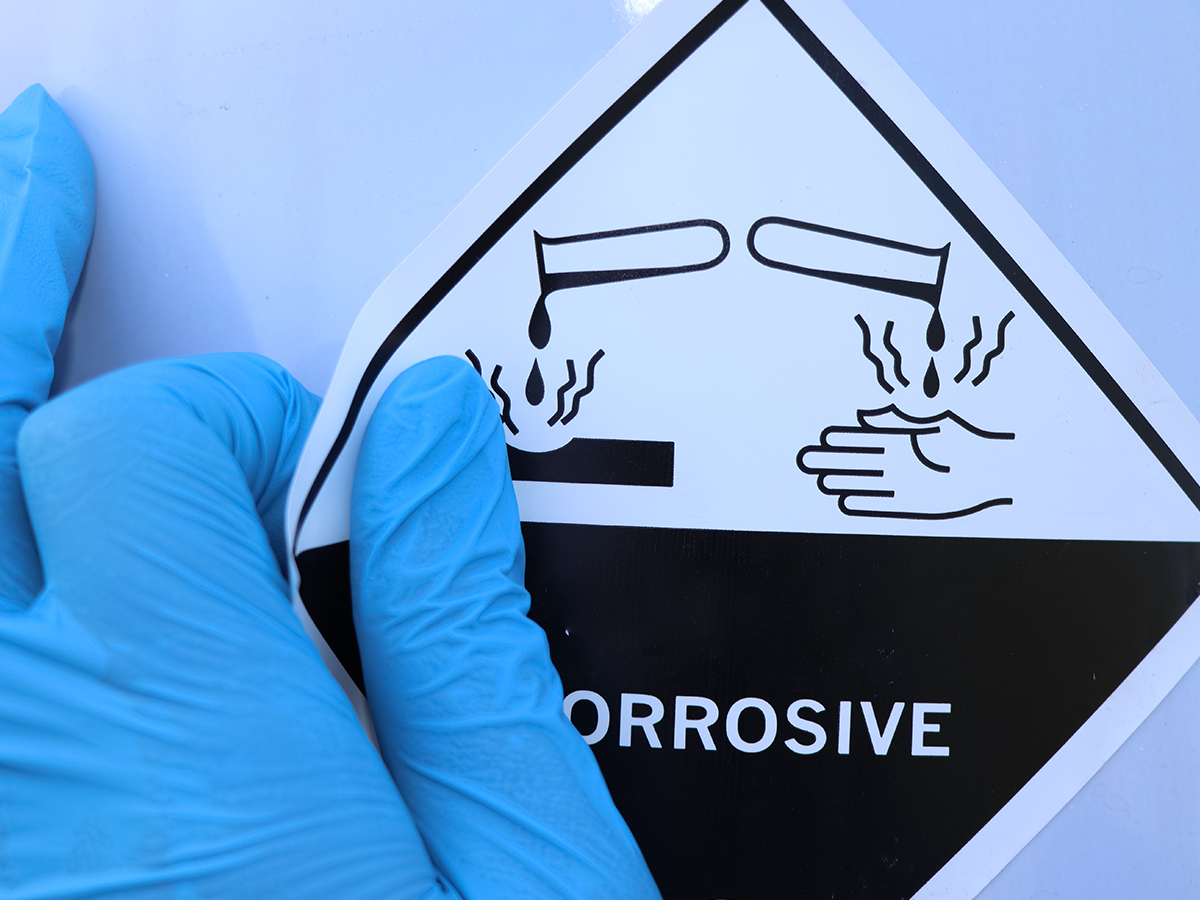
Proper labelling and segregation ensure that every team member, from interns to senior researchers, can quickly identify and handle chemicals safely. This practice also aligns with Canadian regulations such as the Workplace Hazardous Materials Information System (WHMIS).
Best Practices:
Follow GHS Guidelines: Canada mandates the Globally Harmonized System (GHS) for chemical labelling. All over the globe, different regulations have to be abided by; for instance, in the US, the FHSA, requires precautionary labelling of hazardous substances to help consumers safely store and use those products and to give them information about immediate first aid steps to take if an accident occurs.
Ensure containers are marked with appropriate hazard pictograms, signal words, and hazard statements.
-
Store by Compatibility: Group chemicals based on compatibility, not convenience. For example, flammable liquids should never be stored near oxidizers, and acids should be kept separate from bases.
-
Ventilation and Containment: Use ventilated cabinets and explosion-proof refrigerators specifically designed for chemical storage. Avoid makeshift storage solutions that compromise safety.
Alternatively, in Europe, Good Laboratory Practice (GLP) principles are essential for maintaining the quality and reliability of data generated in chemical testing. Developed by the Organisation for Economic Cooperation and Development (OECD), these guidelines have been integrated into EU law through GLP directives, along with the updated OECD Guides for Compliance Monitoring Procedures. By adhering to GLP standards, laboratories can ensure accuracy, consistency, and regulatory compliance in their research and testing processes.
3. Safety Tips for Handling and Disposal
Safe handling and disposal of chemicals are critical to protecting personnel and minimizing environmental impact. Even minor lapses can escalate into major safety or environmental incidents without stringent protocols.
Why It Matters:
Hazardous chemical spills or improper waste disposal can lead to regulatory fines, environmental damage, or worse—harm to lab personnel. Establishing clear protocols mitigates these risks.
Best Practices:
Use Appropriate PPE: Personal protective equipment (PPE) must be selected based on the specific risks associated with each chemical, as outlined in its Material Safety Data Sheet (MSDS). Ensure that regulatory-approved PPE specific to your region or country is readily available.
Standardize Procedures: Develop and enforce Standard Operating Procedures (SOPs) for handling hazardous chemicals. High-risk activities like mixing or transferring should be conducted in fume hoods with clear guidelines.
Dispose Responsibly—partner with licensed Canadian waste disposal services that handle hazardous materials. Segregate waste streams to ensure that they prevent the mixing of incompatible substances. Chemical suppliers offer guidance on neutralizing specific chemicals or provide take-back programs for unused substances, ensuring compliance with disposal regulations.
4. Regular Training and Emergency Preparedness
Safety training and emergency preparedness should be ongoing processes in every laboratory. Even experienced researchers and chemical profiles evolve.
Why It Matters:
Even experienced researchers benefit from regular refresher courses. Prepared and knowledgeable personnel are the first line of defence against accidents. Regular training ensures everyone in the lab knows how to respond effectively in emergencies.
Best Practices:
- Initial and Refresher Training: Implement comprehensive onboarding for new team members, followed by periodic refresher sessions for all staff. Training should cover regulations, PPE usage, and spill response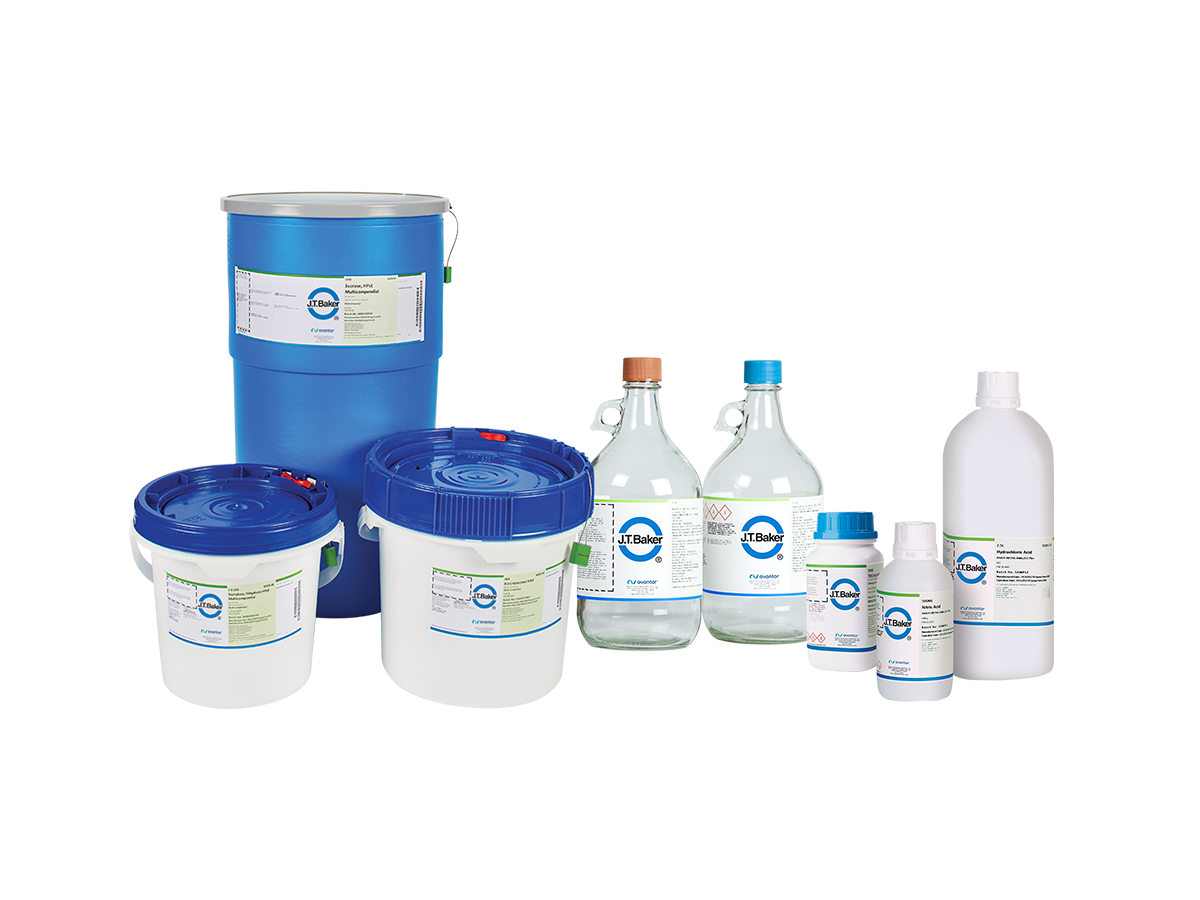 protocols annually.
- Emergency Equipment Readiness: Ensure spill kits, fire extinguishers, and eyewash stations are functional and accessible. Test them regularly to confirm their readiness.
- Scenario-Based Drill: Conduct drills simulating real-life emergencies, such as chemical spills or evacuations. Evaluate and refine.Based on these exercises, evaluate plans based on these exercises with chemical suppliers who offer specialized training to ensure your team stays current on best practices for handling their products.
5. Building Strong Chemical Supplier Relationships
Your choice of chemical suppliers plays a pivotal role in the safety and efficiency of your lab operations. Reliable suppliers, like Delta Scientific, provide high-quality products from reputable brands and valuable insights and services that enhance your chemical management practices.
Why It Matters:
A trusted supplier acts more than a vendor; they become partners in achieving compliance, safety, and sustainability goals.
Best Practices:
- Audit Your Suppliers: Regularly review your vials to ensure they meet regular health, safety, and environmental standards.
- Reliable Delivery: Reduce storage risks by opting for suppliers who offer very reliable delivery systems.
- Consultative Support: Work with suppliers who provide technical guidance on storage, handling, and storage of their predisposing tailored support, which can significantly reduce operational risks.
Pro Tip: Delta Scientific offers customized solutions, from chemical sourcing to expert advice, helping laboratories across Canada maintain the highest safety and compliance standards.
Final Thoughts
Managing chemicals in a laboratory requires a meticulous balance of safety, compliance, and efficiency. From implementing robust inventory systems to fostering strong supplier relationships, these practices create an environment where researchers can focus on their science without compromising safety or sustainability.
At Delta Scientific, we are proud to support researchers on an international scale by offering top-tier products and expert guidance. Whether you’re setting up a new lab or optimizing an existing one, our team is here to help you navigate the complexities of chemical management.
Choose Delta Scientific for tailored solutions, the highest-quality chemicals, and a safer, more efficient future for science.