

Choosing the Right Pump Tubing and ICP Consumables for Reliable Laboratory Results
2026 Feb 9th
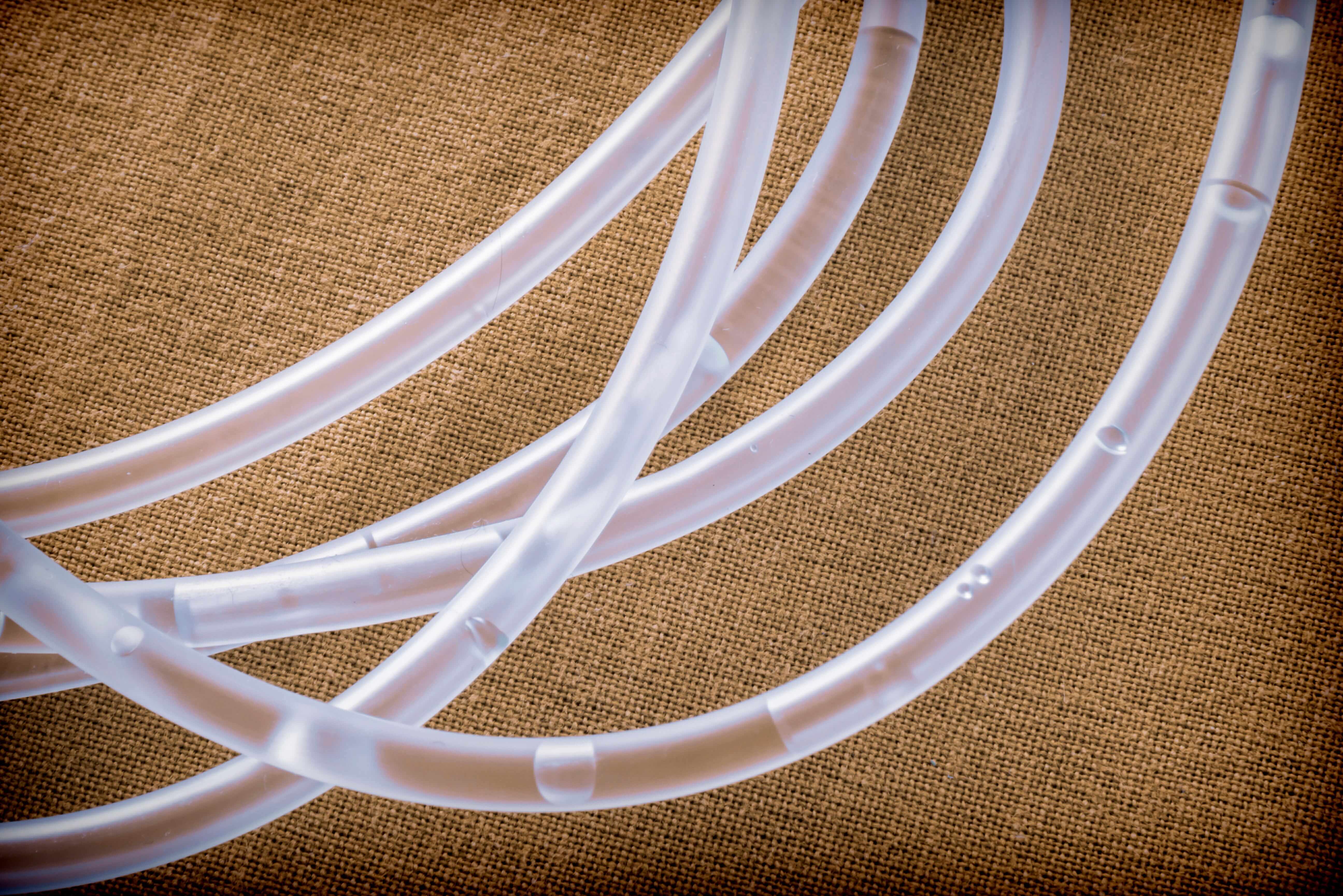
Choosing the correct ICP (Inductively Coupled Plasma) consumables and pump tubing directly impacts analytical performance. Every element, from the pump tubing to the nebulizer and spray chamber, remains in continuous contact with the sample, shaping its consistency and purity as it enters the plasma and ultimately determining the reliability of the final results.
This article helps you select the appropriate equipment and maintain optimal performance for dependable laboratory results.
What are ICP consumables?
ICP (Inductively Coupled Plasma) consumables are essential, disposable pieces of equipment that directly handle plasma.
Common ICP Consumables
Common ICP (Inductively Coupled Plasma) consumables include pump tubes, nebulizers, spray chambers, and torches. We’ve compiled a list of the most frequently used equipment and their importance in the ICP chain.
Pump Tubing
Specialized, durable, and flexible tubes designed for fluid transfers in pumps. These tubes keep fluids isolated, protecting sample purity and preventing contamination.
Nebulizers, Spray Chambers & Torches
Nebulizers, spray chambers, and torches are all common ICP consumables.
Nebulizers convert the sample into a consistent, dense aerosol of small droplets. Spray chambers filter the aerosol produced by the nebulizer, and torches convert this aerosol into atoms or ions.
- Nebulizers can be found in various designs and materials, such as concentric and cross-flow.
[For nebulizers] Perfluoroalkoxy (PFA) and tetrafluoroethylene (TFE) are good choices for the material because they are “non-sticky" and available in high purity. [spectroscopyonline.com]
- Spray chambers can be found in different designs, such as cyclonic and Scott.
- Torches are often designed from quartz or ceramic.
Key Selection Factors
From chemical compatibility, flow stability, to sample matrices, multiple selection factors should be taken into consideration when choosing the right pump tubing and ICP consumables. We have provided further information on why these are crucial for reliable laboratory results.
Chemical Compatibility
Across all ICP consumables, chemical compatibility is one of the most crucial selection factors. Select equipment that matches your sample chemistry; incompatible materials can lead to:
- Contamination: Choosing ICP consumables in incompatible materials can lead to leached trace elements in samples, ultimately leading to false positives or artificial signals
- Sample degradation: The wrong choice of materials across ICP consumables can cause chemical reactions that alter the composition of samples.
- Instrument damage: Chemical incompatibility can cause physical degradation, such as swelling, cracking, or dissolving.
All of these factors have a compromising effect on the accuracy, precision, and reliability of laboratory results.
Flow Stability & Durability
ICP consumables with poor stability and durability cause several critical issues, including:
- Contamination: Low durability of ICP consumables can lead to degradation and carryover between samples, leading to false high or low readings.
- Increased downtime: If consumables are low in durability and flow stability, this can lead to frequent maintenance and component replacement. Premature failures can lead to high operational costs and instrument downtime, reducing the efficiency of the laboratory.
- Compromised data integrity, precision & integrity: Durability concerns, such as worn peristaltic pump tubes or clogged nebulizers, can lead to inaccurate measurements and unreliable test results.
Sample Type & Matrix
Consumable and laboratory results can be directly affected by the sample type and matrix, for example:
- Clogging: Laboratory samples with high dissolved solids can easily clog equipment such as nebulizers.
- Degradation & equipment lifespan: Certain samples can cause plasma to change shape, leading to degradation of equipment.
Now that the key selection factors have been explained, there is a range of best ICP practices that support reliable laboratory results.

5 Best Practices for Reliability & Maintenance
To ensure that ICP consumables are at their peak performance, and you can rely on the equipment for reliable laboratory results, we recommend:
- A structured maintenance schedule
- Replace short-life consumables as often as possible
- Clean sample components regularly
- Monitor the performance trends
- Match consumables to the matrix and method
Replacing each consumable for maintenance and reliable laboratory results is a vital aspect when choosing and keeping consumables that work at their peak. But when should you replace consumables to ensure reliability?
When to Replace Consumables
Each ICP consumable has a specific method to ensure the equipment remains at its peak performance and eliminates issues such as degradation, contamination, and clogging.
Pump tubing: When tubing begins to look flattened, cracked, swollen, severely discoloured, or no longer needs stretching to fit over the rollers, pump tubes should be replaced immediately.
Nebulizers: According to spectroscopyonline.com, persistent signal instability, drift, or noise that does not improve after thorough nebulizer cleaning and re‑optimization of gas flow and power.
Spray chambers: Beading or droplet formation on the chamber walls even after detergent soaks and rinsing, and visual indicators such as cracks, chips, impact damage, or badly etched internal surfaces are signs that the spray chamber should be replaced.
Torches:Visual signs such as cracks or devitrification (cloudy quartz) on the outer tubes or injector indicate the torch can no longer reliably contain the plasma and should be replaced.
How the Right Choices Improve Accuracy & Uptime
Keeping the ICP consumable equipment at its optimal performance and ensuring that you have chosen the correct apparatus are crucial ways to ensure that your work will yield reliable results.
Are you still unsure of which ICP consumable works for you? You can reach out to our expert team and discover our entire range of available ICP consumables.