Future-Proof Your Science Lab: Essential Safety and Management Strategies for Lasting Success
2026 Mar 25th
Future-Proof Your Science Lab: Essential Safety and Management Strategies for Lasting Success
The reproducibility crisis has shown how fragile even the most promising research can be without strong lab standards. In today's high-pressure environment, future-proofing your lab is critical to protecting your team, your data, and your reputation.
Download our free e-book, The Ultimate Guide to Science Lab Safety: Protecting Your Team and Samples, for practical strategies you can start using today.
Download HereTable of Contents
- Future-Proof Your Science Lab: Essential Safety and Management Strategies for Lasting Success
- 1. Prioritize Safety: The Foundation of Lab Excellence
- 2. Embrace Technology: Automation and Digital Tools
- 3. Build a Resilient Team: Training and Well-Being
- 4. Sustainable Practices: Environmental and Financial Responsibility
- Stay Ahead of Emerging Trends
- A Future-Proof Lab Starts Today
The "Reproducibility Crisis": Rethinking Lab Standards
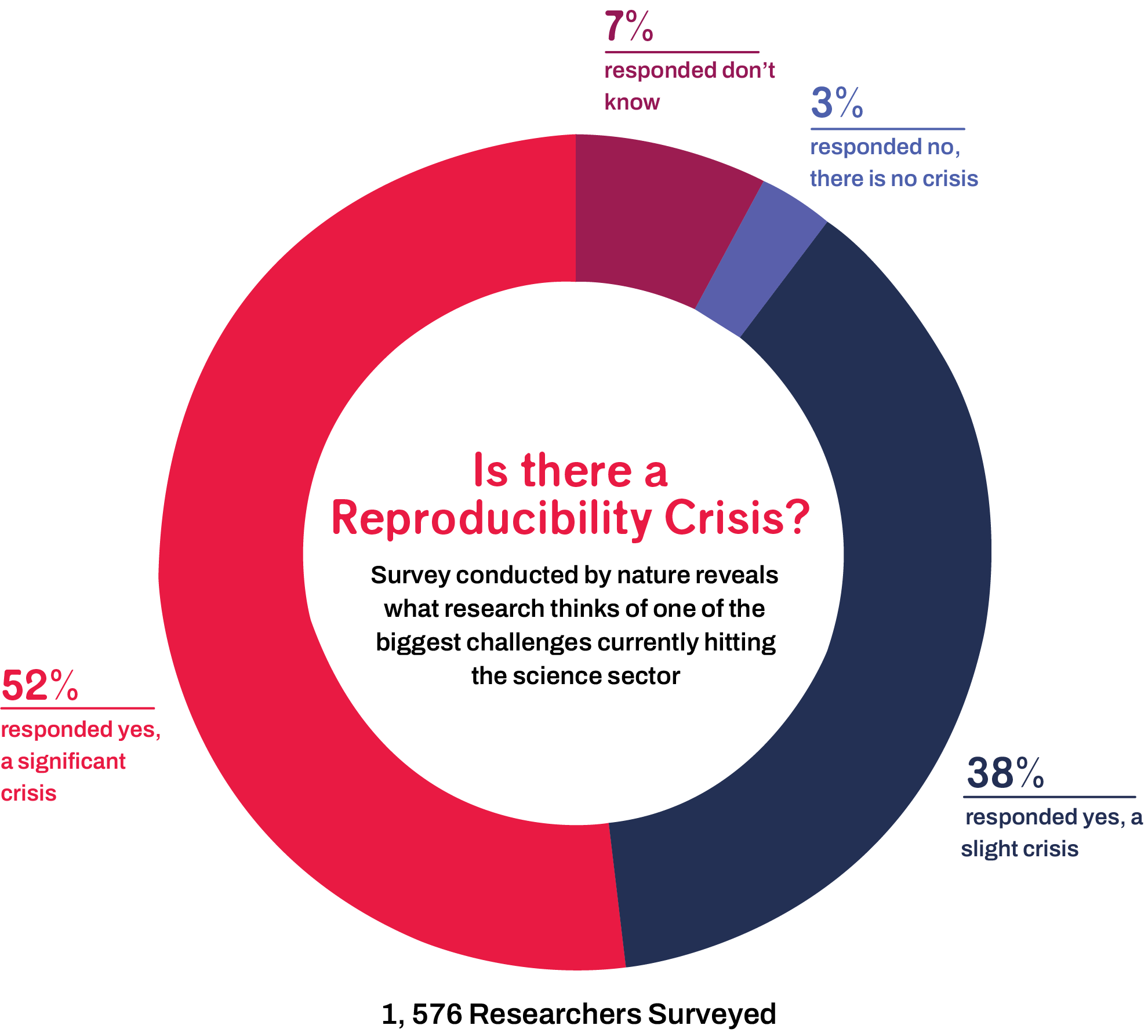
In 2016, a study published in Nature revealed that over 50% of researchers struggle to reproduce scientific findings, with poor lab management and inadequate safety practices cited as key contributing factors. We are almost a decade on and still encountering the same issues, so much so that it has been hailed as the "reproducibility crisis", cited in many well-established publications and research institutes. This reproducibility crisis isn't just a scientific challenge—it's a stark reminder that the success of a lab hinges on more than groundbreaking ideas. Without robust safety protocols and effective management, even the most promising research can falter, putting your team, your data, and your reputation at risk.
In 2025, labs face unprecedented pressures: tightening regulations, evolving technologies, and increasing demands for transparency and accountability. The difference between a lab that thrives and one that struggles often comes down to its ability to anticipate risks, adapt to change, and prioritize the well-being of its people.
This guide explores the essential strategies to future-proof your science lab, drawing on the latest research and best practices to help you build a safe, efficient, and resilient environment. From fostering a culture of safety to leveraging cutting-edge technology, these insights will empower you to protect your team, safeguard your research, and ensure your lab's legacy of excellence.
1. Prioritize Safety: The Foundation of Lab Excellence
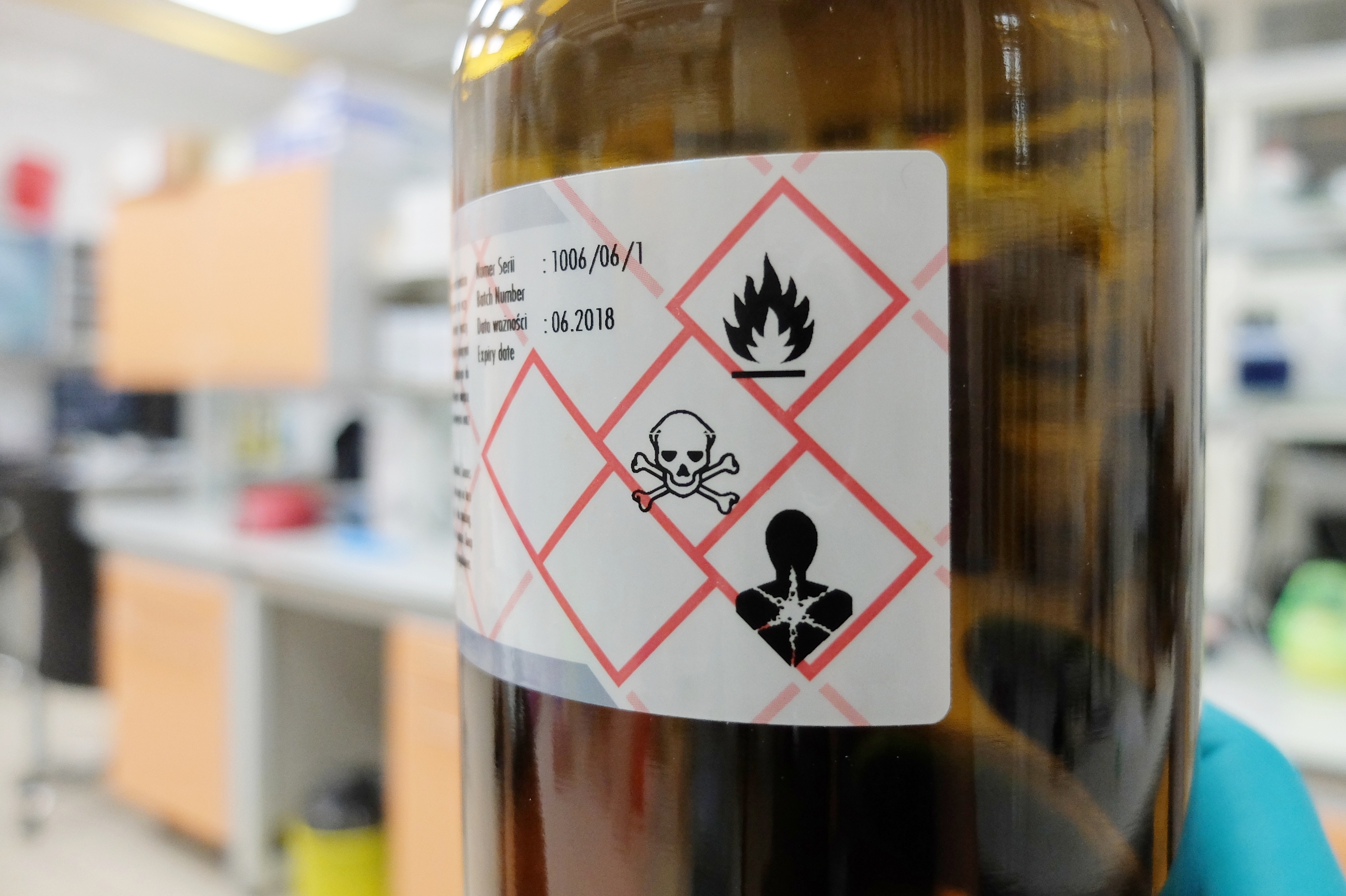
In 2008, a tragic incident at UCLA's chemistry lab resulted in the death of a research assistant due to the improper handling of a pyrophoric chemical. This devastating event led to a $10,000 fine and a complete overhaul of the university's lab safety protocols.
Similarly, in 2014, a biosafety breach at the U.S. Centers for Disease Control and Prevention (CDC) exposed dozens of workers to live anthrax due to inadequate containment procedures, delaying critical research and eroding public trust. These incidents are just a couple of examples, but there are many more cases of such happening worldwide. Most importantly, these incidents underscore a critical truth: safety and management are not just regulatory obligations—they are the foundation of a lab's success.
In the scientific community, the consequences of poor practices extend beyond fines and delays. They can compromise data integrity, endanger lives, and tarnish reputations. Yet, the solution doesn't lie in overcomplicated systems or exorbitant investments. It lies in returning to the basics: rigorous safety protocols, proactive management, and a culture of accountability.
Safety is the cornerstone of any successful lab. Without it, even the most groundbreaking research is at risk.
Key Strategies:
Implement a Robust Safety Culture
Foster a culture where safety is everyone's responsibility. Regularly train your team on safety protocols, hazard identification, and emergency response. According to a study conducted in response to the death of a research assistant at UCLA, labs with strong safety cultures report fewer incidents and higher research output.
Stay Updated on Regulations
Compliance with local, national, and international safety standards (e.g., WHMIS, OSHA, or ISO 45001 ) is non-negotiable. Regularly review and update your lab's safety policies to align with the latest regulations.
Invest in Preventive Maintenance
Equipment failures can lead to accidents and costly downtime. Schedule regular maintenance for lab instruments and infrastructure to prevent unexpected breakdowns. We also advise performing risk assessments prior to conducting an experiment to help recognise potential threats and implement the best protection to reduce their risk.
The type of experiment you carry out determines what protective equipment you need. For more guidance, our team of experts in the field are available.
Reach out to us to learn more.Embrace Technology: Automation and Digital Tools

The integration of technology into lab management is no longer optional—it's essential for staying competitive and efficient. Automation and digital tools can streamline workflows, reduce human error, and enhance data integrity.
Key Strategies:
Adopt Laboratory Information Management Systems (LIMS)
LIMS can help you track samples, manage data, and ensure compliance with regulatory requirements. A Texas clinical diagnostics lab adopted a LIMS with automated sample tracking, cutting sample loss by 80% in just six months and significantly saving time and resources.
Leverage Automation for Repetitive Tasks
Automated systems for tasks like pipetting, sample preparation, and data analysis can free up your team's time for higher-value work.
Explore AI and Machine Learning
These technologies are revolutionizing data analysis and predictive maintenance. For example, AI-driven tools can identify potential equipment failures before they occur, saving time and resources.
Build a Resilient Team: Training and Well-Being

Your team is your most valuable asset. Investing in their development and well-being not only boosts morale but also enhances productivity and innovation.
Key Strategies:
Provide Continuous Training
Equip your team with the latest skills and knowledge through workshops, certifications, and access to online courses. Studies have shown that ongoing training improves both technical proficiency and job satisfaction, which are critical for retaining top talent. For example, a 2018 report by the National Institutes of Health (NIH) emphasized the importance of training in fostering a skilled and adaptable workforce in research environments.
Promote Mental Health and Work-Life Balance
The high-pressure environment of scientific research can take a toll on mental health. Offer resources like counselling services, flexible work hours, and wellness programs to support your team.
Encourage Collaboration and Knowledge Sharing
Create opportunities for cross-disciplinary collaboration and open communication. This fosters innovation and ensures that knowledge is shared across the team. This could also be done with other labs. Alternatively, webinars and conferences can be a great way of networking, building upon existing knowledge whilst sharing your own.
Sustainable Practices: Environmental and Financial Responsibility

Future-proofing your lab also means adopting sustainable practices that reduce environmental impact and ensure financial viability.
Key Strategies:
Reduce Waste and Optimize Resource Use
Did you know? Academic research labs are estimated to produce approximately 5.5 tonnes of plastic waste annually. waste annually. Implement green chemistry principles and waste reduction strategies. For example, switch to reusable labware and optimize reagent usage to minimize waste.
Invest in Energy-Efficient Equipment
Upgrading to energy-efficient freezers, fume hoods, and other equipment can significantly reduce your lab's carbon footprint and operational costs.
Plan for Long-Term Financial Sustainability
Develop a budget that accounts for equipment maintenance, training, and unexpected expenses. Consider grants and partnerships to fund innovative projects.
Stay Ahead of Emerging Trends

The scientific landscape is constantly evolving. Staying informed about emerging trends and technologies ensures that your lab remains at the forefront of innovation.
Key Strategies:
Monitor Industry Developments
Regularly review journals, attend conferences, and participate in professional networks to stay updated on breakthroughs in your field.
Adapt to New Methodologies
Be open to adopting new techniques and technologies that can enhance your research. For example, CRISPR-based gene editing and single-cell sequencing are transforming life sciences research.
Collaborate with Industry and Academia
Partnerships with universities, research institutions, and industry leaders can provide access to cutting-edge resources and expertise.
A Future-Proof Lab Starts Today

Future-proofing your science lab is not a one-time effort—it's an ongoing commitment to safety, innovation, and excellence. By prioritizing safety, embracing technology, investing in your team, adopting sustainable practices, and staying ahead of trends, you can create a lab that thrives in the face of challenges and delivers impactful research for years to come.
Get in touch with a member of our team today for more advice or assistance with your lab inventory. For a deeper dive into these strategies, including checklists and expert insights, download our comprehensive guide: "The Ultimate Guide to Science Lab Safety: Protecting Your Team and Samples".
Get in touch