
The Ultimate Guide: Micropipette vs. Pipette
2026 Feb 9th
Choosing the right liquid-handling tool matters in laboratory environments. The wrong choice of equipment can lead to data inaccuracy and inefficiencies, human error, higher costs, and more.
However, it isn’t just the choice of equipment that impacts reliable laboratory results; it’s the operator handling. In a National Library of Medicine study, inaccuracy and imprecision “are generally propagated in multi-step procedures,” the study stresses that generation of “reliable data starts with good practice” and close control over hardware and operator technique.
This article aims to explain the importance of choosing the right tools, alongside introducing operator best practices. The aim is to support you in gaining accurate and dependable results with your choice of pipette or micropipette.
What is a Pipette?
Pipettes are a common laboratory tool used to accurately measure or transfer small volumes of liquid. These act similarly to an eyedrop with high precision, and are specifically used in sectors such as chemistry, biology, and medicine.
Types of Pipettes
Across pipettes, there are also alternative options, such as:
- Volumetric pipettes: This precision lab tool is used for accurately measuring and dispensing a single, fixed volume of liquid.
- Serological pipettes: This graduated glass or plastic tube is used for accurately measuring and transferring liquids ranging from 1 mL to 50 mL.
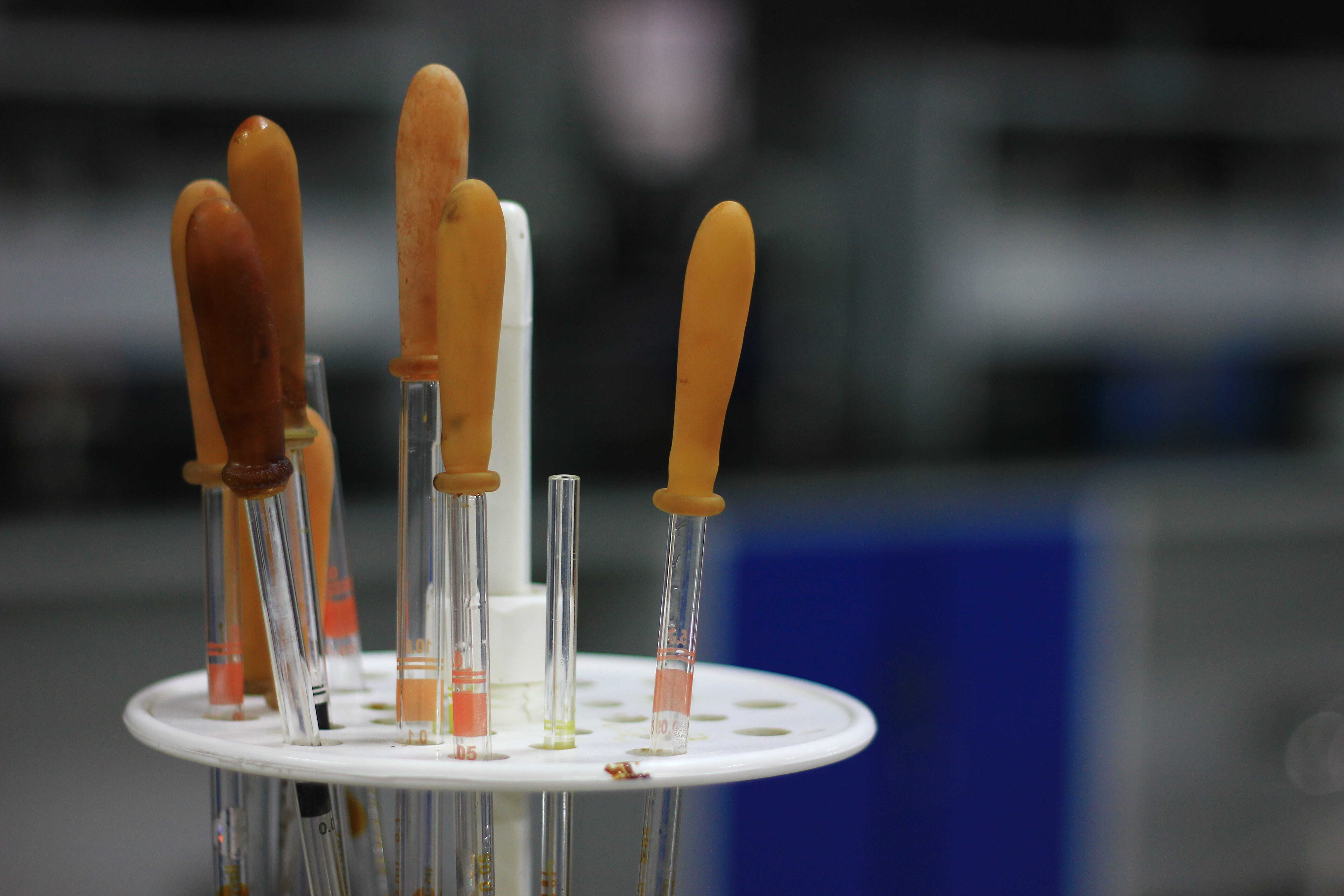
- Pasteur pipettes: This is typically a thin glass or plastic tube with a narrow tip that is used for transferring small liquid volumes.
What is a Micropipette?
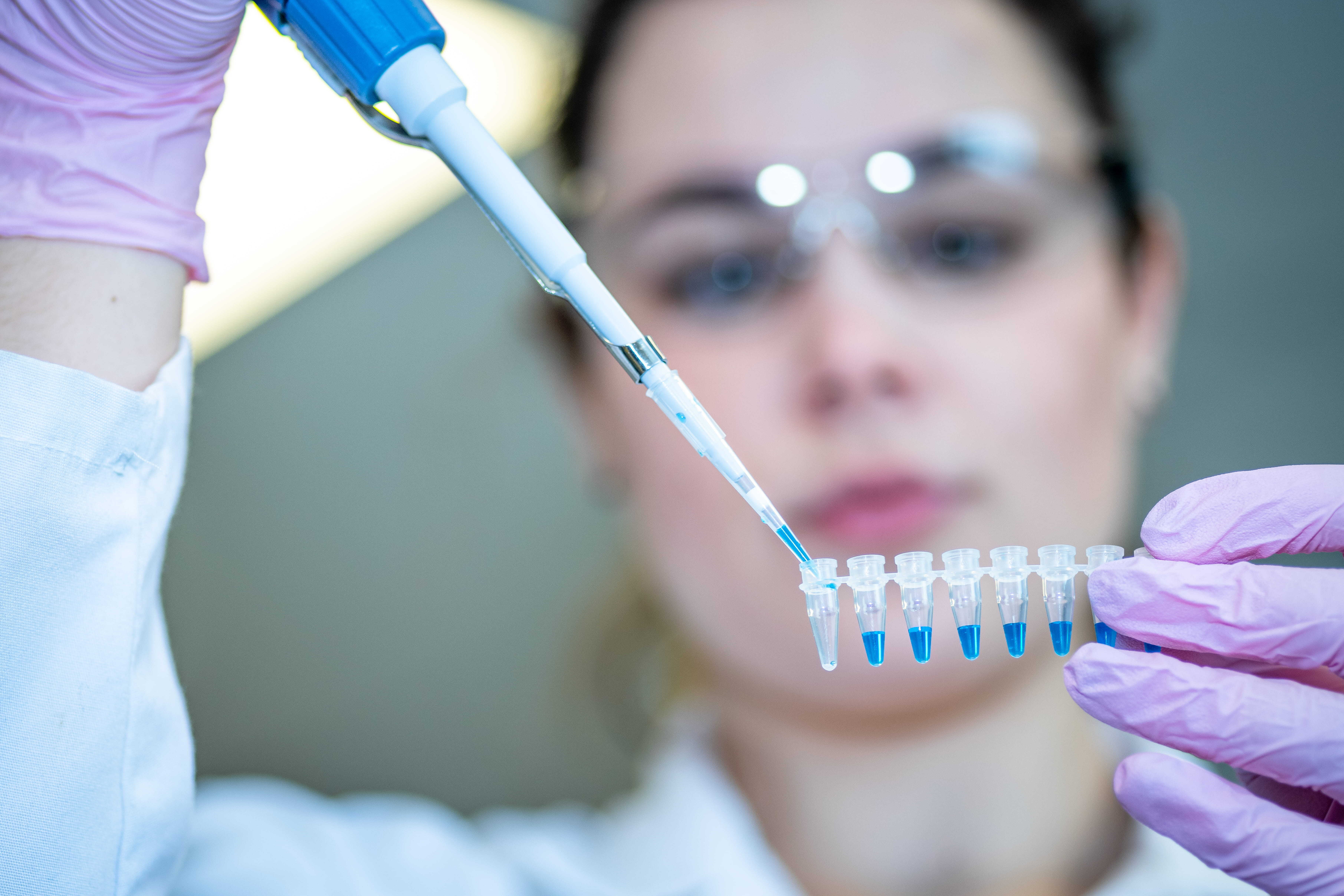
Micropipettes are used for the same process, but for smaller ranges of liquid, such as the microliter (µL) range (0.2 to 1000 µL). These tools are vital for sectors such as molecular biology, biochemistry, and diagnostics.
Types of Micropipettes
Across micropipettes, there are also alternative options, such as:
- Single channel & multichannel: These are micropipettes that have either one or multiple channels that dispense different samples at once.
- Fixed & variable: Fixed micropipettes dispense one unchangeable volume, whereas variable micropipettes allow you to dial in a designated volume range.
- Air & positive displacement: Air displacement micropipettes use an air cushion between their piston and the liquid. Positive displacement micropipettes have a piston that directly contacts the liquid via a capillary or cylinder system.
Key Differences
While both pipettes and micropipettes are essential liquid-handling tools, they have key differences in typical applications, design, and volume range.
Volume Range & Precision
The choice between a micropipette and a standard pipette depends on the volume range required and the precision for specific sectors.
- For small volumes (< 1 mL): Micropipettes work with smaller amounts as they are designed to handle microliter liquid ranges with precision. They are best used across delicate experiments such as microinjection (ICSI) and PCR and qPCR setups.
- For large volumes (> 1 mL): Pipettes work best for larger volumes as they are designed for rapid transfers, such as generalized laboratory work and sample preparation.
Depending on the volume of liquid operators are handling, you will need a pipette that specializes in rapid transfer or microliter liquid ranges. Once you understand the differences across volume range and precision, you will need to know how designs and operations differ.
Design & Operation
Across pipettes and micropipettes, there are key differences in design and operation, from structure to tip systems.
- Structure: Micropipettes are handheld with plungers, tip ejectors, and shafts where the tips are attached.
- Mechanism: Across micropipettes, internal pistons create an air-cushion (air displacement) or direct displacement. Whereas conventional pipettes rely on external vacuum pressure from a bulb or pump.
- Tip system: Traditional pipettes rely on external vacuum pressure from a bulb or pump, whereas micropipettes have a plunger or tip ejector, which is where the plastic disposable tips are attached.
Now that you understand the main differences from design to structure, it will help you inform your decision on which works best for your operators. Depending on the sector you work within, you might need further advice.
When to Use Each
As micropipettes and pipettes have different volume intakes, operators may need to use certain pieces of equipment depending on the sector they work within. For example, micropipettes provide higher precision, which means that they are the best choice for molecular biology.
Discover the different use cases for micropipettes and pipettes below:
Use Cases for Micropipettes
- Molecular biology: Used across PCR and qPCR setups, gel electrophoresis, and DNA/RNA Extraction. Micropipetes are chosen due to their ability to create reproducible conditions by providing consistent volumes, which is important for PCR and DNA extraction.
- Clinical diagnostics: Often used across blood and fluid analysis, microinjection (ICSI), and ELISA for their ability to create reliable test results for diseases and drug screening due to their ability to handle microlitres.
- Pharmaceuticals & chemistry: Micropipettes are often used in pharmaceutical sectors forhigh-throughput screening (HTS), titration and reagent handling, and drug formulation and testing due to their handling of microlitres and compliance with safety regulations.
Use Cases for Pipettes
- Cell culture: Employed for transferring cells, adding growth media, and inoculating cultures, as pipettes can support the prevention of contamination and ensure consistent volumes for healthy cell growth.
- Generalized laboratory work: Used for sample preparation and transfer, solution standardization, and routine lab tasks due to their versatility.
- Titrations: Pipettes are used for precise volumetric transfer (Primary Function), analytical chemistry and quality control (QC), and preparation of standards.
- Pharmaceuticals:Used in drug discovery for high-throughput screening, compound dilution, and formula testing due to their accuracy, consistency, and safety.
Best Practices for Accurate Results
Once you have decided on the correct piece of equipment for your processes, it is important to understand the best practices that support operators and laboratory personnel in getting accurate results. We have listed our tips for proper use below:
Tips for Proper Use
Operators and laboratory personnel are crucial in ensuring that equipment is kept in its best condition. Without the upkeep of best practices, this equipment can cause inaccurate results and impact laboratory functions.
We have outlined our top tips on how to use and store your pipette and micropipettes for peak performance.
- Consistent techniques: Ensuring that operators are consistently using the same techniques, such as holding pipettes vertically, immersing the pipette tip to 1cm, and dispensing at a tilting angle of 20°-45°, limits the number of variables.
- Maintain temperature equilibria: Before use, equipment and liquids should reach the same room temperature (within 21°-25°C) to avoid density and thermal expansion errors. When using, ensure that you are holding pipettes loosely to limit heat transfer from the operator's hands.
- Pre-wet tips: Aspirate and expel liquid at least three times with a new pipette tip to condition the internal surface.
- Clean regularly: Exterior routine cleaning should take place daily with a lint-free cloth and 70% ethanol. If you are handling hazardous equipment, then cleaning should take place immediately. Once a year, operators should perform a full disassembly, cleaning all components, replacing O-rings, and performing professional calibration.
- Store correctly: Pipettes should be stored upright on a stand, set to their highest volume with tips removed, and kept away from heat and moisture sources to prevent contamination. Storing equipment correctly eliminates piston misalignment, corrosion, and damage to ensure accuracy and longevity.
Are you ready to find the right pipette and laboratory equipment that suits your processes?
Quick Guidance on Selecting the Right Tool
Ultimately, the choice between a pipette and a micropipette is driven by volume range, required precision, liquid properties, and regulatory expectations. By matching the tool not only to the application but also to operator technique and laboratory standards, you reduce variability, improve reproducibility, and protect data integrity. Are you ready to make the decision?
You can explore our entire pipette selection once you are ready. If you are still unsure which pipette works best for your laboratory, you can speak to our expert team.