The Ultimate Guide to Science Lab Safety: Protecting Your Team and Samples
2026 Mar 25th
The Ultimate Guide to Science Lab Safety: Protecting Your Team and Samples
Laboratories are hubs of innovation where groundbreaking discoveries happen. However, the environments they create can also pose significant risks to colleagues and the integrity of experiments.
Did you know?
- 25-38% of lab personnel have been involved in an accident or injury that was not reported to their supervisor.
- Striking a balance between safety and productivity is essential. In Canada, this balance is supported by regulatory frameworks such as WHMIS (Workplace Hazardous Materials Information System) and guidelines from organizations like Health Canada, the CCOHS (Canadian Centre for Occupational Health and Safety) , and the Health Agency of Canada. The percentage of young people drinking weekly has fallen by 8% since the introduction of Challenge 25.
This guide will explore all aspects of laboratory safety, including the risks labs face, strategies to improve safety measures, and how compliance with regulations can secure both your team and your research.
DownloadTable of Contents
Did you know?
Laboratories are hubs of innovation where groundbreaking discoveries happen. However, the environments they create can also pose significant risks to colleagues and the integrity of experiments.
Did you know?
25-38% of lab personnel have been involved in an accident or injury that was not reported to their supervisor.
Striking a balance between safety and productivity is essential. In Canada, this balance is supported by regulatory frameworks such as WHMIS (Workplace Hazardous Materials Information System) and guidelines from organizations like Health Canada, the CCOHS (Canadian Centre for Occupational Health and Safety) , and the Health Agency of Canada. The percentage of young people drinking weekly has fallen by 8% since the introduction of Challenge 25.
This guide will explore all aspects of laboratory safety, including the risks labs face, strategies to improve safety measures, and how compliance with regulations can secure both your team and your research.
Why Lab Safety is Essential
Laboratories are spaces of innovation and discovery but also have inherent risks. The importance of safety in scientific laboratories cannot be overstated. Every aspect of lab operations must be carefully controlled, from handling chemicals to ensuring proper equipment function. If safety is not a priority, the consequences can be severe—not only for lab personnel but also for the research and credibility of the lab.
Regulatory Compliance in Canada
Canada has stringent regulations to ensure the safety of laboratory environments. The Canadian Alliance of Medical Laboratory Professionals Regulations (CAMPLPR) has been established to set a standard of knowledge, skills, and judgment in the practices of medical laboratories. It focuses on fair, efficient, effective, ethical, and transparent regulatory approaches and practices.
Currently, Canada maintains rigorous compliance measures, with regulatory oversight ensuring that medical laboratory professionals meet high standards of practice. Over the past few years, there have been continuous improvements in competency evaluations and registration processes to adapt to evolving industry needs
Recent updates include:
Effective November 1, 2025: All internationally educated medical laboratory technologists (IEMLTs) and applicants with non-traditional education (BSc, MSc, PhD) must follow the CAMLPR Pathways application and registration processes. These include prior learning assessments and competency evaluations.
Effective March 1, 2026: CAMLPR will administer these assessments for all registration applicants, including those educated domestically, based on the updated CAMLPR competency profile. Individuals entering accredited medical laboratory science programs on or after March 2026 will be required to pass the CAMLPR assessment.
Across the country, a network of governing bodies is ready to hold you accountable for non-compliance—making it clear why following the right regulations is not just a good practice but a necessity. With multiple laws, standards, and guidelines in place, ensuring your laboratory adheres to these rules is critical. From WHMIS and GHS to provincial health and safety regulations, the landscape is complex and ever-evolving. This guide is designed to help you navigate these requirements, making it easier to stay compliant, avoid penalties, and create a safer, more efficient lab environment.
WHMIS and GHS Helping Secure Science Lab Safety
The Workplace Hazardous Materials Information System (WHMIS), which is aligned with the Global Harmonized System (GHS), mandates proper labeling, SDS access, and hazard communication.
Health Canada and Provincial Standards
Each province has specific mandates that labs must adhere to, such as:
- Environmental safety standards in Quebec.
Laboratories in Quebec must comply with strict environmental safety standards to minimize hazardous waste and chemical exposure. These regulations ensure that labs maintain proper waste disposal methods, air quality controls, and sustainable operational practices.
- Ergonomic and physical safety rules in Ontario.
Ontario enforces ergonomic and physical safety regulations to protect laboratory professionals from workplace injuries. These standards focus on proper workstation design, safe handling of laboratory equipment, and measures to prevent repetitive strain injuries and musculoskeletal disorders.
1. Protecting Your People
The safety of employees is paramount in any lab. The potential hazards in labs are unique and vary from lab to lab, from toxic chemical spills to biological contamination, radiation exposure, and physical injuries. When these risks are not adequately managed, they can result in serious harm to you and your staff, which, in turn, can cause delays, reduce productivity, and lead to costly medical treatments or lawsuits.
Regulations are put in place to create a safe and stable working environment. Without appropriate safety precautions, these risks can quickly escalate, leading to long-term health issues from possible inhalation of toxic gases or more short-term issues, like wounds and lacerations. Implementing proper safety procedures and equipping your lab with the necessary protective gear can significantly reduce these risks, ensuring a safer working environment for everyone involved.

2. Ensuring Research Integrity
Another critical aspect of lab safety is protecting research integrity. Contaminated samples, improper handling of materials, and faulty equipment can jeopardize the accuracy of experiments. If proper safety measures are not followed, experiments may become invalid, leading to wasted time and resources and even a complete redo of the research. Your lab's credibility and findings could also be tarnished, which can have far-reaching consequences.
For instance, in a biological or chemical lab, cross-contamination of samples or experiments due to improper handling of chemicals or biological agents can distort results. In some cases, samples exposed to environmental factors like temperature fluctuations or contamination from lab colleagues could skew data, resulting in inaccurate conclusions.
When lab safety protocols are followed, researchers are confident that their data is reliable, their findings are accurate, and the integrity of their experiments is intact. This reliability fosters trust in the research process and supports the reputation of the laboratory and the institution.
3. Avoiding Legal and Financial Repercussions
Health and safety standards violations can lead to serious legal consequences, including hefty fines, facility shutdowns, or even litigation. Regulatory frameworks such as WHMIS (Workplace Hazardous Materials Information System) and provincial safety guidelines set strict requirements for lab safety. Failure to comply with these regulations can result in costly fines and damage the lab's reputation.
Beyond financial penalties, the legal implications of non-compliance can extend to lawsuits from employees who suffer injuries or illnesses due to unsafe working conditions. Additionally, labs involved in research may face further scrutiny, especially when working with hazardous chemicals or biological agents, both of which require special safety considerations.
By adhering to established safety protocols and regulations, laboratories can mitigate these risks, avoid legal issues, and create a secure working environment that complies with all necessary standards.
When it comes to selling your lab services to external businesses, reputation is everything. Companies choosing a lab to partner with want to ensure they’re working with a team with a proven track record of safety, reliability, and professionalism. If your lab is known for repeatedly violating health and safety standards, endangering staff, and ruining valuable samples, potential clients will be hesitant to trust you with their business. They’ll likely seek out competitors with a more pristine reputation—labs that consistently uphold safety protocols, protect their employees, and maintain the integrity of their work. A tarnished reputation can be nearly impossible to recover from, especially regarding regulatory violations. In this industry, reputation isn't just about maintaining good relationships—it's about staying in business.

Common Risks and Hazards in a Science Lab
Science laboratories are hubs of discovery and innovation, but they also house numerous potential dangers. Whether a lab focuses on medical, chemical, or biological research, the hazards it faces often overlap. Recognizing and implementing appropriate measures to mitigate these hazards is crucial to maintaining a safe, functional, and efficient work environment.
1. Chemical Hazards
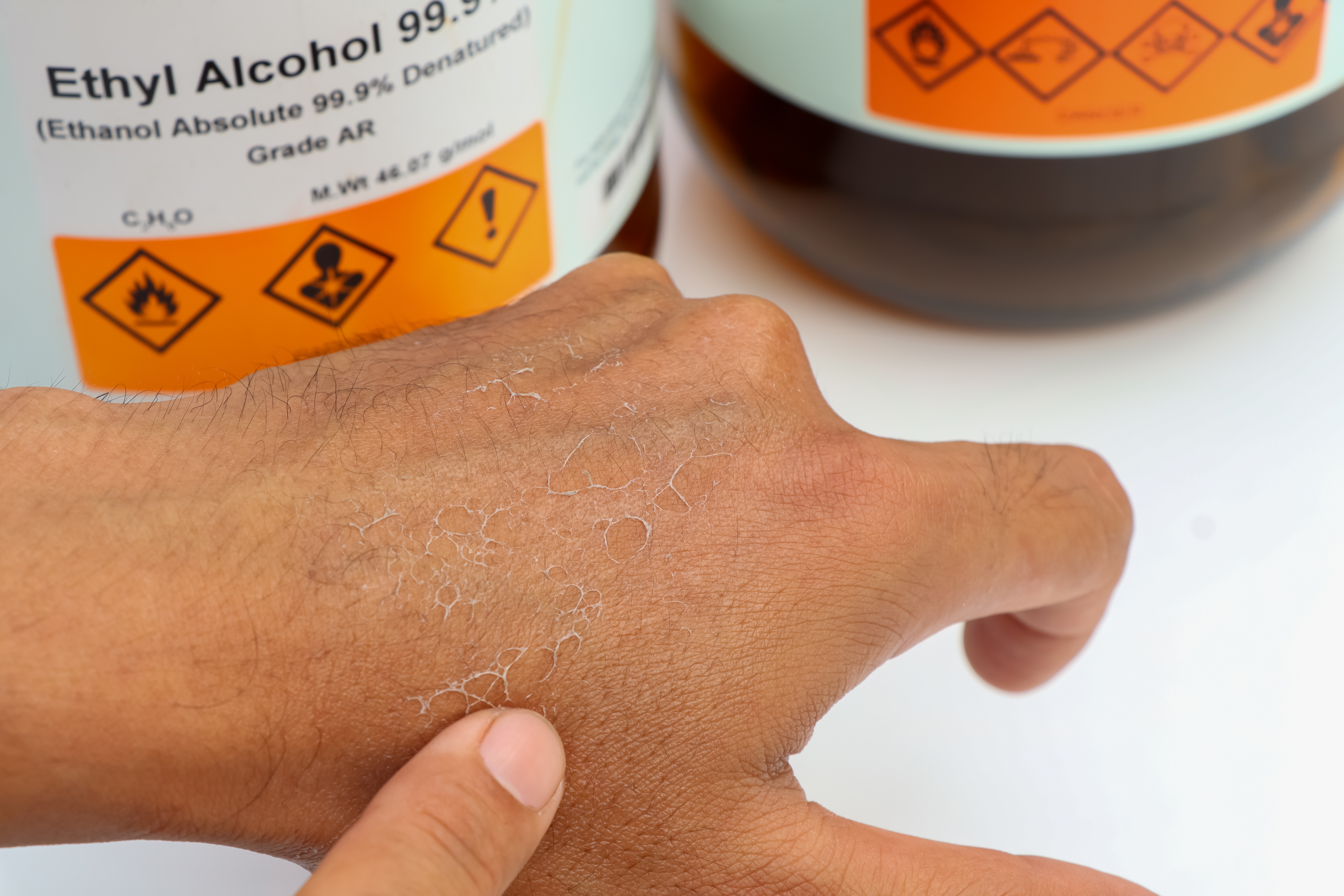
The extensive use of chemicals in laboratories introduces significant risks. Chemicals can be hazardous due to their toxic, flammable, corrosive, or reactive properties. Even in small quantities, improper handling of certain chemicals can lead to serious consequences, such as severe burns, respiratory issues, poisoning, or explosions.
Common examples of chemical risks include:
- Toxic exposure: Contact with or inhaling harmful chemicals like formaldehyde or benzene can cause acute or chronic health problems.
- Flammability: Chemicals like ethanol or acetone can ignite easily, leading to dangerous fires if improperly handled.
- Corrosive damage: If spilt, substances like hydrochloric acid or sodium hydroxide can cause permanent damage to skin and equipment.
How to Mitigate Chemical Risk:
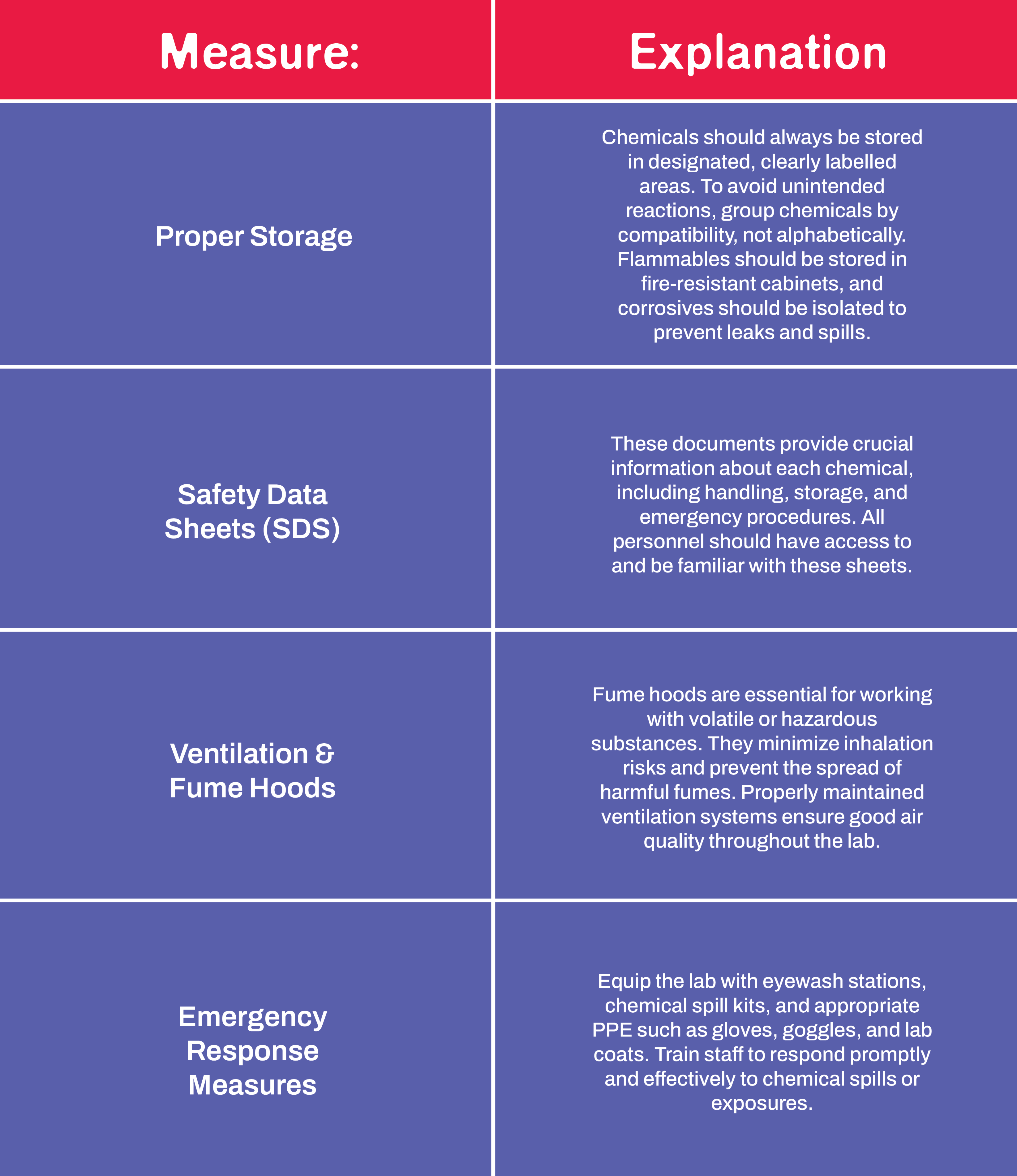
Preventing chemical hazards requires more than implementing safety systems; it also depends on fostering a culture of diligence, regular training, and adherence to established protocols.
2. Biological Hazards
Biological laboratories often handle dangerous agents, such as infectious microorganisms, blood samples, or genetically modified organisms. Mishandling these materials can lead to infections, allergic reactions, and cross-contamination, threatening lab personnel and potentially causing environmental or public health issues.
Best Practices for Handling Biological Hazards:
- Containment protocols: To minimize risks, adhere to biosafety level (BSL) standards set by agencies like the Public Health Agency of Canada (PHAC). This includes using biosafety cabinets, sealed environments, or HEPA filters to prevent exposure and contamination.
- Safe disposal of biohazards: Biohazardous waste must be disposed of adequately using sealed containers and autoclaving. Failure to sterilize such materials can result in environmental contamination and legal repercussions.
- Personal protective equipment (PPE): Equip all personnel with gloves, masks, lab coats, and face shields to provide physical barriers against exposure.
- Employee training: Provide comprehensive training on safe handling techniques, contamination control, and emergency procedures to prevent accidental exposure.
If mishandled, biological hazards can have far-reaching consequences. Rigorous training and adherence to proper protocols are key to safeguarding workers and the environment.
3. Physical and Ergonomic Hazards
Physical hazards in labs extend beyond chemical and biological risks. The daily handling of sharp instruments, heavy equipment, and repetitive tasks can lead to injuries or ergonomic strain. Slips, trips, and falls are common in labs, particularly when clutter or spilt substances are present.
Examples of Physical Hazards:
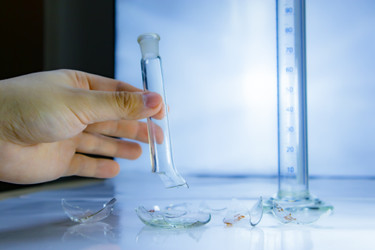
- Sharp objects: Broken glassware, needles, or scalpels can cause cuts and punctures.
- Heavy lifting: Improper handling of large equipment or supplies can lead to back injuries.
- Ergonomic strain: Poorly designed workstations or repetitive motions can cause conditions like carpal tunnel syndrome or back pain.
Solutions for Physical Risks:
- Organized workspace: Keep walkways and work areas clear of clutter and ensure spills are cleaned up immediately. Proper storage of equipment reduces the risk of accidents.
- Ergonomics: Adjustable chairs, well-placed equipment, and anti-fatigue mats are essential for reducing physical strain. Encourage employees to maintain good posture and use proper lifting techniques.
- Regular breaks: Implement schedules that include regular breaks and stretching exercises to prevent repetitive strain injuries. These can improve focus and reduce fatigue-related accidents.
Addressing physical and ergonomic risks protects employees and creates a more efficient and comfortable working environment.
4. Fire and Radiation Hazards
Fire and radiation hazards are some of the most critical risks in laboratories, particularly those with flammable chemicals, open flames, or radioactive materials. The consequences of neglecting these hazards can be catastrophic, ranging from widespread property damage to severe health complications.
Fire Hazards:
Fires can be caused by improper chemical storage, faulty electrical equipment, or careless handling of flammable substances.
- Prevention: Prevention: Regularly inspect electrical equipment for faults, use grounded outlets, and avoid overloading circuits.
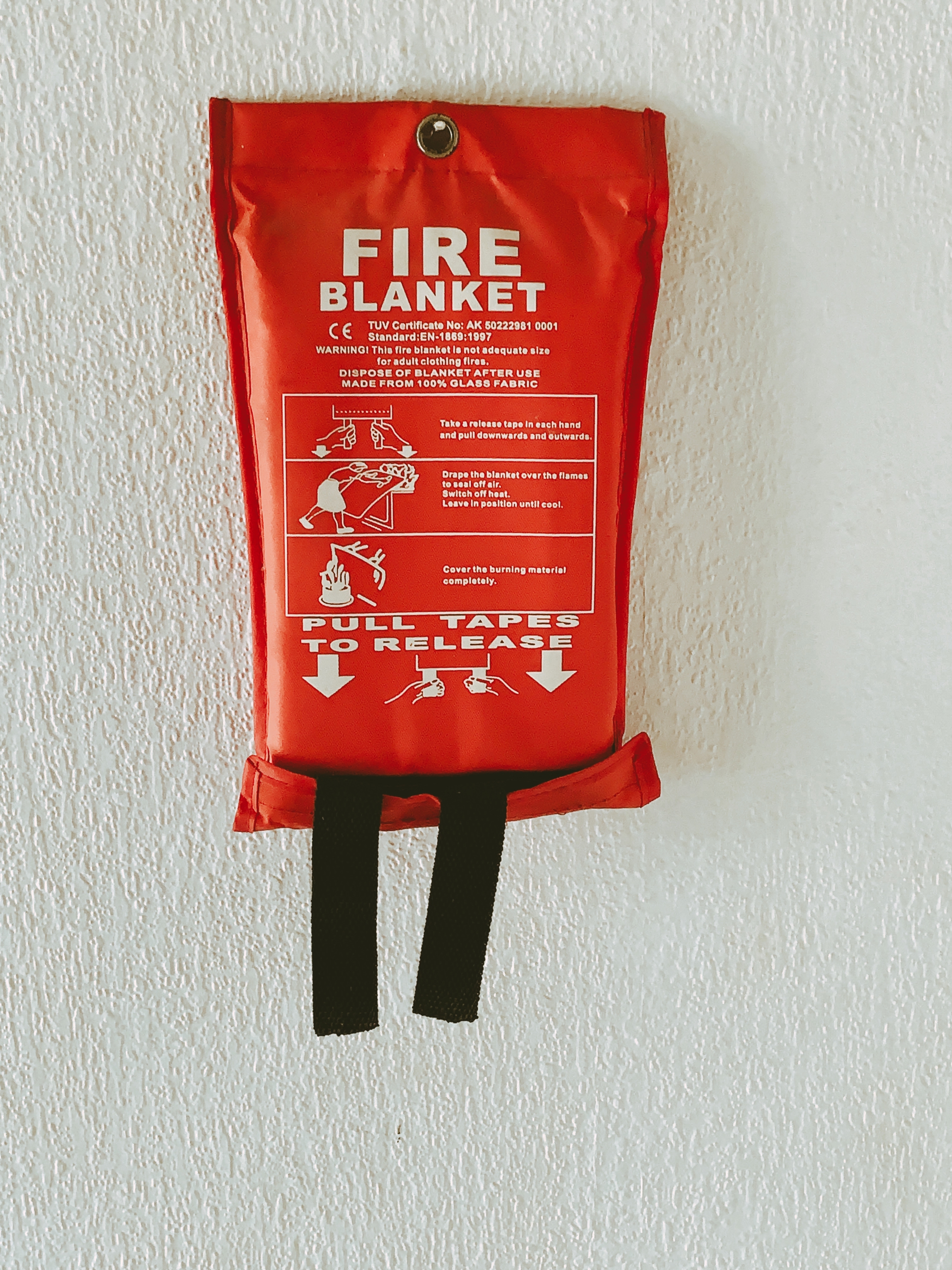
- Safety measures: Install fire extinguishers, fire blankets, and smoke detectors. Ensure all personnel are trained in fire response protocols.
Radiation Hazards:
Labs using radioactive materials must take extra precautions to prevent harmful exposure.
- Radiation shielding: Use lead shields or barriers around radioactive materials. Ensure that radioactive substances are stored in secured, designated areas.
- Personal dosimeters: Equip personnel working with radiation with dosimeters to monitor exposure levels.
- Training: Radiation safety training is essential to educate staff on proper handling and emergency measures.
Understanding and mitigating the common risks faced in laboratories is an essential step toward creating a safe and productive work environment. Whether dealing with chemical, biological, physical, or fire-related hazards, proactive planning and adherence to safety protocols are crucial. A safe lab fosters innovation, protects valuable research, and upholds the well-being of all personnel.
Developing a Strong Lab Safety Culture
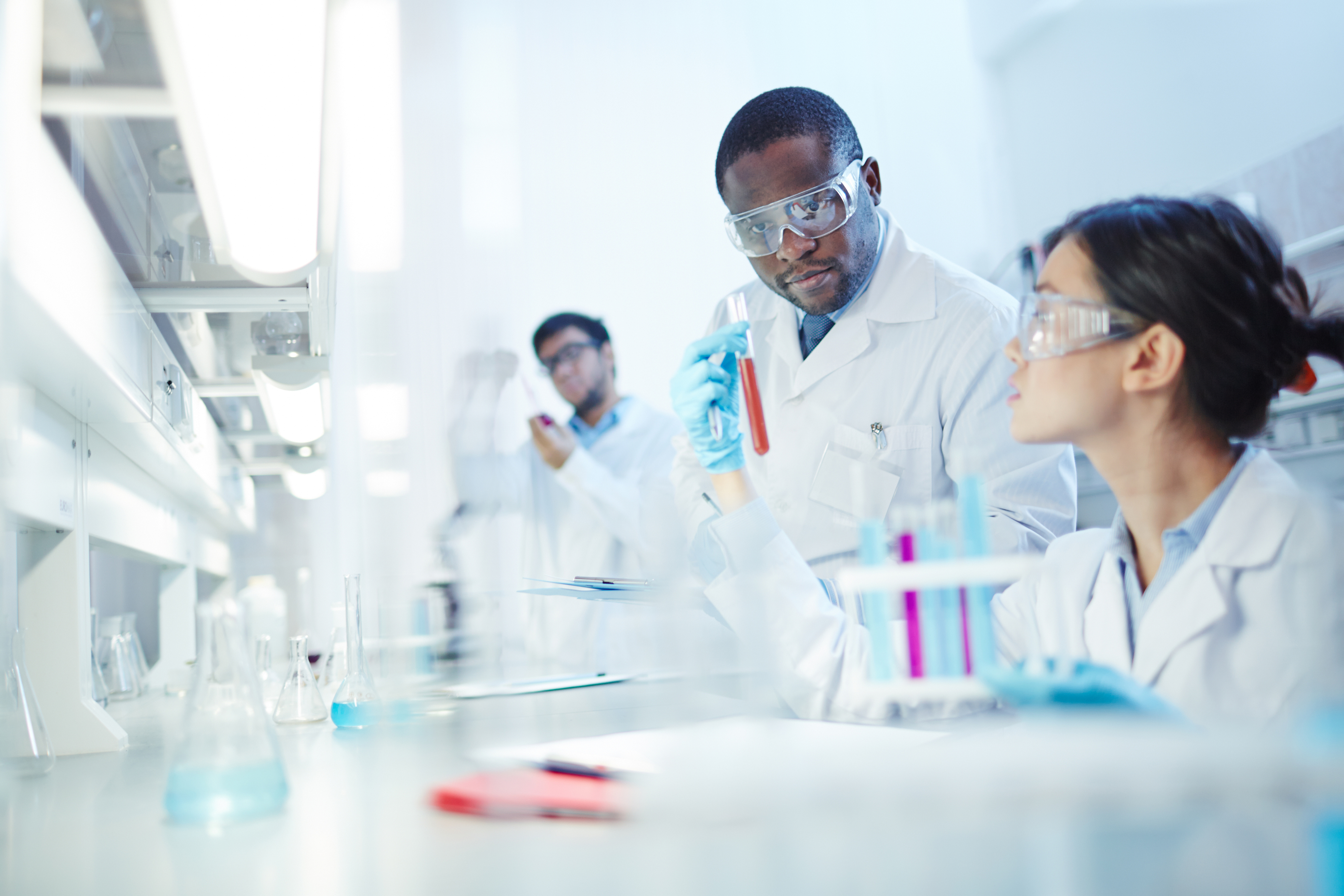
Creating a culture of safety means fostering an environment in which every team member feels responsible for their own well-being and that of their colleagues.
1. Comprehensive Training Programs
If you have gotten this far, you will have read safety training is the foundation of any robust lab safety strategy. Interactive methods such as regular drills and e-learning tools ensure employees understand emergency procedures, equipment handling, and chemical safety.
2. Clear Communication of SOPs
Standard Operating Procedures (SOPs) should be clear, accessible, and frequently updated. These documents guide routine tasks and outline responses to emergencies. They can take the form of posters and guides on walls or in areas most useful, such as safety protocols for using a fume hood. New recruits should be made aware of these as early as possible during their onboarding.
3. Incident Reporting Without Repercussion
Encourage employees to report near misses, unsafe conditions, or accidents without fear of punishment. Transparency helps identify problem areas and reduces future risks. Colleagues should follow a standardized protocol to ensure consistent and thorough reporting.
4. Regular Inspections and Maintenance
Scheduled inspections ensure all safety systems are functional and up to Canadian standards. Use standardized checklists to audit equipment, PPE, and emergency response setups.
5. Leadership Engagement
Lab managers and senior staff must lead by example, fostering a culture where safety is a top priority. This includes enforcing protocols and actively participating in training, risk assessments, and safety evaluations.
A shocking survey revealed that 27% of researchers admitted to never conducting a risk assessment before performing laboratory work, with academic researchers being the most frequent offenders, followed by those in industry and government. In academia, where researchers often balance teaching responsibilities, there is a heightened risk of passing unsafe practices to future generations.
To combat this, leadership should establish clear safety roles and responsibilities for different situations. Designating team members as safety officers, emergency response leads, or compliance monitors ensures accountability and reinforces best practices. Strong leadership engagement helps build a proactive safety culture, where risk assessments become second nature rather than an afterthought.
Essential Lab Safety Equipment
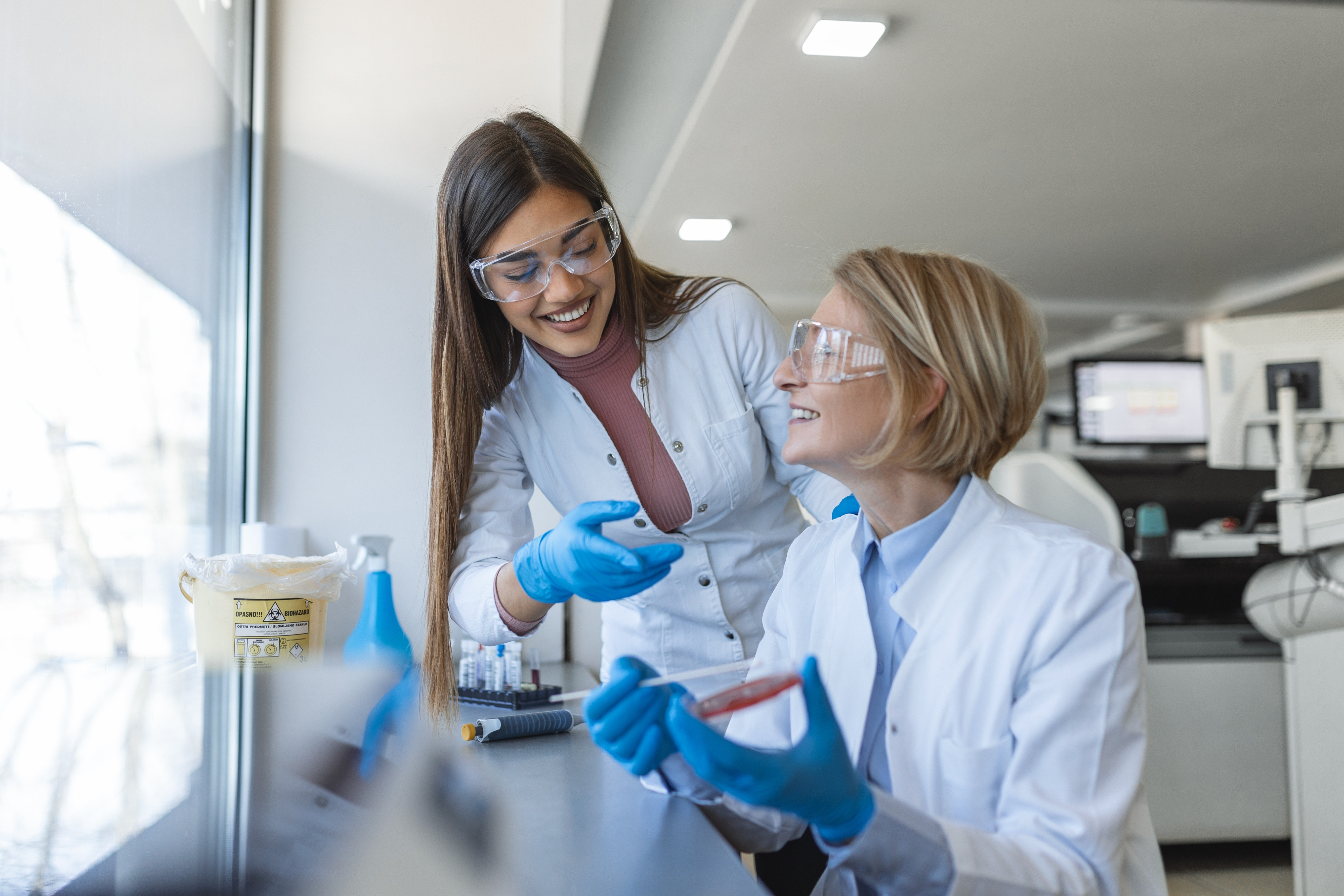
Equipping your lab with the right tools and gear is critical to ensuring safety. When considering personal protective equipment (PPE) for your lab or workplace, it’s important to remember that the list below serves as a starting point or the bare minimum. PPE is essential for ensuring the safety and well-being of your team, and it should be tailored to meet the specific needs of your environment. Whilst this list highlights the basics, it's crucial to evaluate whether additional or specialised protective gear is required based on the tasks and materials involved in your work.
Personal Protective Equipment (PPE)
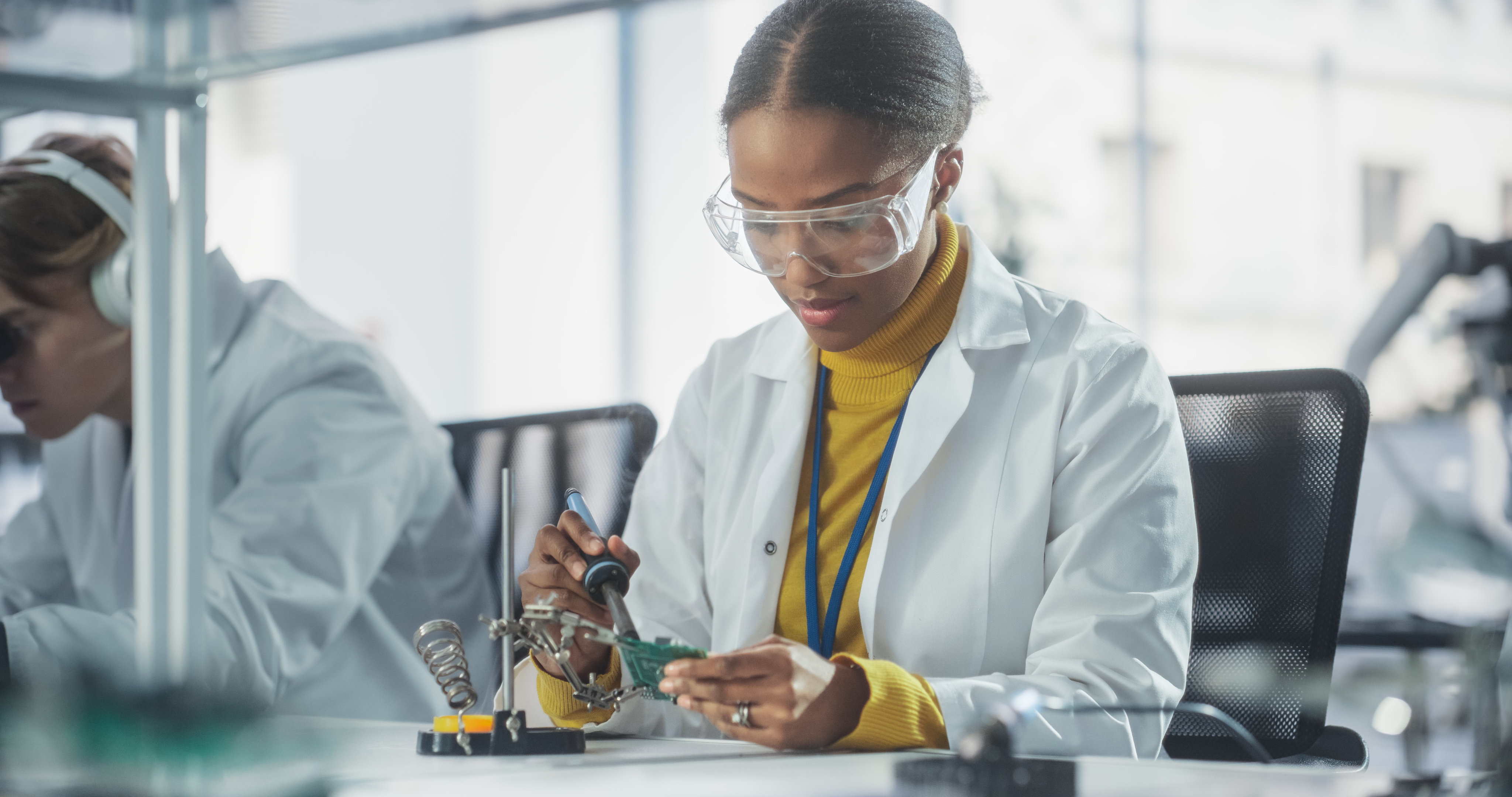
PPE is the first defence against chemical splashes, biological contamination, and physical injuries. Common PPE includes:
- Gloves (chemical-resistant, sterile, or heat-resistant, depending on tasks).
- Goggles and face shields for eye protection.
- Lab coats and aprons for body protection.
Fire Safety Equipment
Fire extinguishers, fire blankets, and suppression systems should be placed strategically throughout the lab. Emergency exits and evacuation routes should be clearly marked.
Safety Monitoring Systems
Automated monitoring systems can detect environmental hazards such as gas leaks or temperature changes, ensuring a quicker response to potential dangers.
Emergency Response Stations
Canadian labs must have functional emergency showers and eyewash stations to neutralize chemical exposure quickly.
Why Delta Scientific?

At Delta Scientific, we understand the importance of creating a safe and compliant laboratory. As a trusted distributor of certified lab safety products, we provide:
By choosing Delta Scientific, you’re partnering with a supplier who prioritizes safety, compliance, and the success of your research.
Lab safety is a shared responsibility rooted in a culture of vigilance, education, and compliance. With the right practices, equipment, and partnerships, your lab can become a secure environment where innovation thrives. Remember: safety doesn’t just protect your team and samples; it ensures the integrity and success of your work. If you aren’t part of the solution, you are a precipitate.
For more information on how Delta Scientific can support your lab safety goals,
Contact us today